In short
A prefab extension has no set lifespan. Built properly and kept dry, it is meant to stand for as long as the house it joins.
What shortens its life is water getting into the frame, poor joins to the house and missed maintenance. It is not the fact that it was made in a factory.
On this page
When you hear the word prefab, do you picture the temporary houses put up after the war? A lot of people do, and it is the reason this question comes up so often.
A modern prefab extension is a different thing. This post covers what really decides how long one lasts, what to ask about the guarantee, and the paperwork you should keep.
Is a prefab extension a permanent building?
Yes. It is built to the same Scottish building standards as any other extension, and it goes through the same building warrant. Once it is up, it is a permanent part of your house.
In other words, there isn’t a set lifespan for a prefab extension. What matters is how well it is kept dry.
What actually decides how long it lasts?
Most prefab extensions in Scotland are timber, whether that is timber-frame panels, SIPs or factory-made timber modules. Timber lasts a very long time when it stays dry, and much less when it does not. So the questions that matter are all about water.
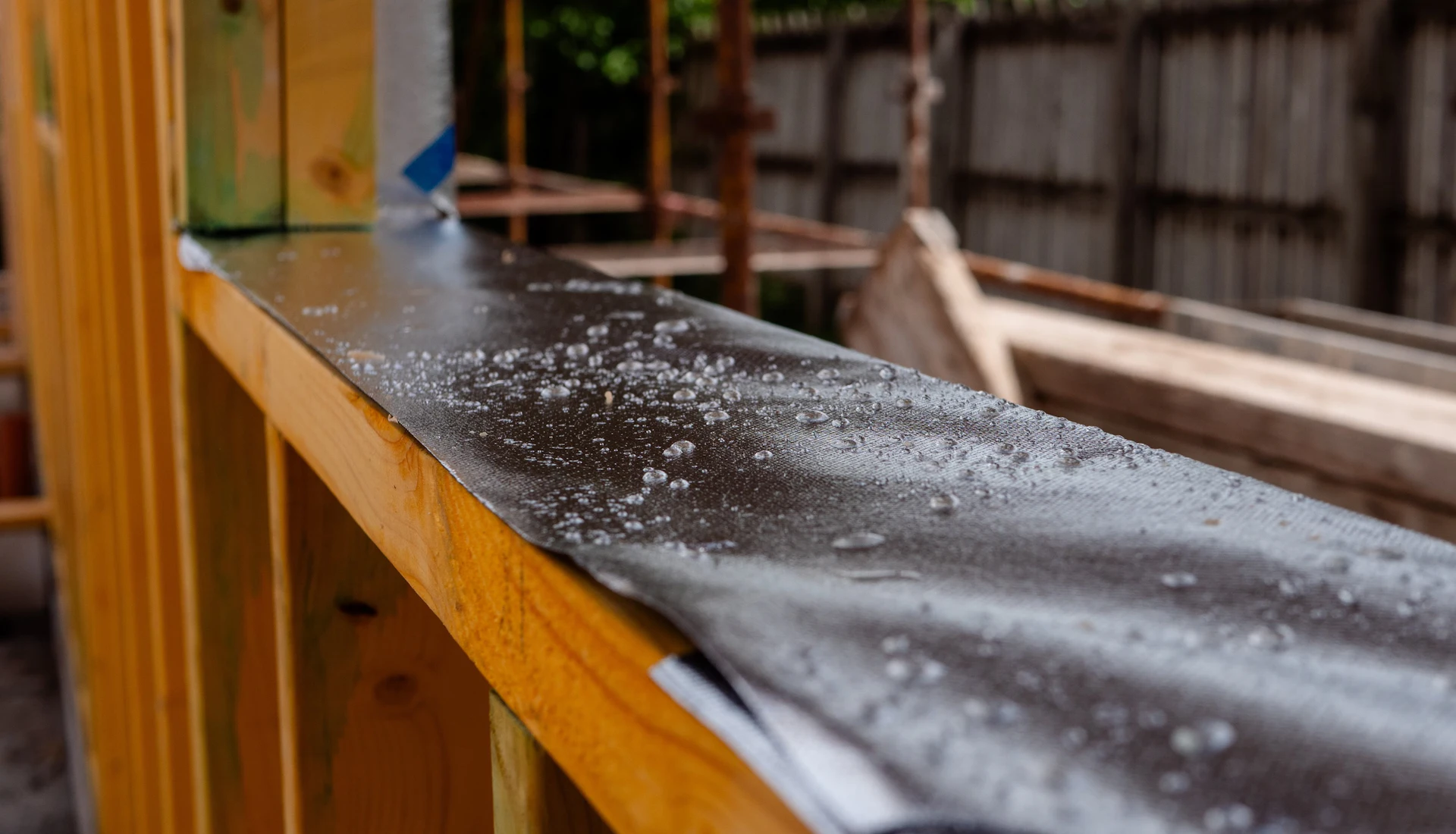
- The membrane. The frame should be wrapped in a breathable membrane. This keeps rain out but lets moisture escape from inside the wall.
- The gap behind the cladding. Render boards, timber boarding and brick slips all need a ventilated gap behind them, so that any water that gets past can drain away and dry.
- The base. The frame has to sit above ground level on a damp-proof course, with the ground falling away from the walls.
- The join to the house. The flashings and seals where the new roof and walls meet the old house have to be right.
None of these is unique to prefab. They are the same details that make or break a timber extension built on site. The difference is that in a factory more of the work is done under cover.
What should you ask about the guarantee?
Ask every supplier and builder how long the guarantee lasts and exactly what it covers. It’s very important to find out whether the structure, the roof covering, the windows and the workmanship are covered separately.
Ask as well whether the guarantee carries on if the firm stops trading. Then get the answers in writing before you sign.
Which paperwork should you keep?
Before any work begins the council must grant a building warrant, and once the work is finished it needs a completion certificate. Our page on the Scottish regulations explains both.
Keep the warrant, the accepted completion certificate and any guarantee with your house papers. When you come to sell, the buyer’s solicitor will want to see that the extension was approved, and having the papers ready saves a lot of chasing.
How do you look after it?
A prefab extension needs little maintenance, but it does need some. Clear the gutters, keep soil and planters off the bottom of the walls, and refresh timber cladding finishes when they fade.
Check the seals around the roof lights now and again too. If you see staining inside, find the cause quickly. In a timber frame, a small leak caught early is a small job.
If you are weighing up a prefab extension in Scotland, ask the builder to show you the wall and roof build-up for your house, and how each of the points above is dealt with. The form below will find you one to ask.